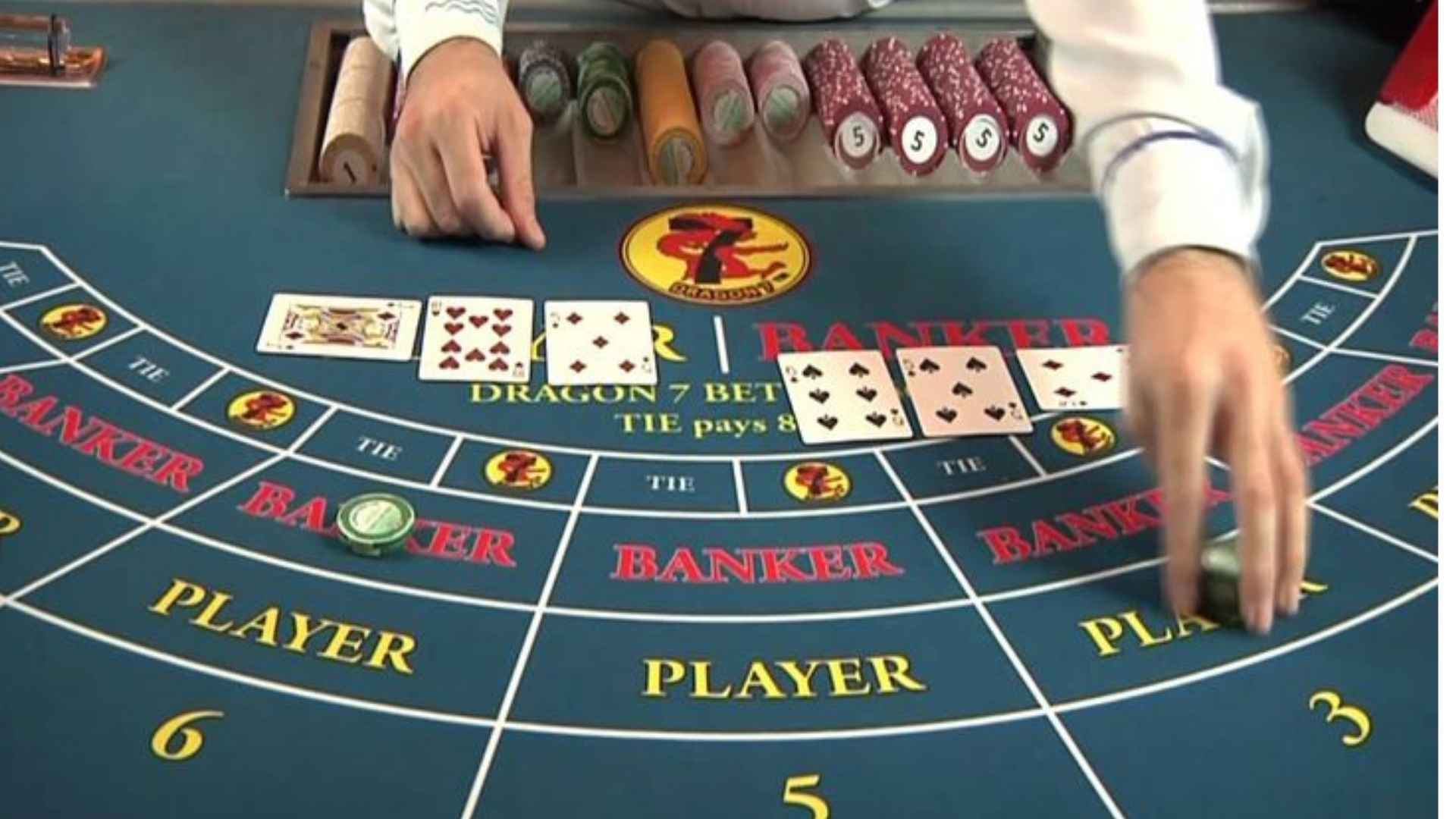
Stepping into a competitive card room requires a lot more than just understanding standard card values or relying on pure luck. To truly navigate the fast-paced flow of live or digital tables, players must develop fluency in the specialized terminology utilized by seasoned professionals. Mastering this distinct language allows strategic thinkers to process real-time table data accurately and make logical choices under pressure.
The Structural Vocabulary of Forced Bets
Before any tactical movements can be executed, players must grasp the foundational vocabulary that establishes the financial framework of every single round. Terms like the pot and the blinds describe the collective chips at stake and the mandatory contributions required before the dealer distributes the cards. Recognizing how these fixed positions rotate around the felt ensures that you never feel caught off guard when it is your turn to post a forced wager.
Understanding these initial financial requirements helps you formulate a clear risk management framework for the rest of the game. When analyzing digital platforms, visiting a reputable M88asia hub can offer a practical space to observe these rotating positions in real time. Building familiarity with these basic structural terms allows you to focus entirely on advanced opponent strategies rather than guessing table mechanics.
Deciphering Action Descriptors for Clear Execution
Every active round of cards moves through a systematic sequence of verbal announcements that define how the participants interact. When you choose to check, you are passing the choice to the next seat without risking additional chips, provided no prior wager has been made. Conversely, selecting to call or raise shifts the table pressure by either matching the current high bet or increasing the stakes significantly.
Knowing when to fold is equally critical, as surrendering a weak hand prevents unnecessary financial loss over a long gaming session. These fundamental action terms serve as the logical building blocks for communicating your exact strategic intentions. By articulating your choices clearly, you project total confidence and eliminate costly misunderstandings that often plague inexperienced players.
Psychological Phrasing and Strategic Deception
Beyond the operational mechanics, the mental landscape of the card room introduces advanced expressions that describe deceptive table behaviors. A bluff involves placing a significant wager with inferior cards to convince your opponents that you hold an unbeatable combination. Executing this tactic successfully requires precise timing, a balanced table image, and a deep understanding of your opponent's emotional tendencies.
Conversely, experiencing a bad beat refers to a painful scenario where a statistically superior hand loses to an unlikely card at the very end. Internalizing this specific vocabulary helps competitive minds manage their psychological variance and maintain long-term emotional composure. Recognizing these patterns transforms how you view competitive risk, shifting your approach from emotional reactions to calculated decisions.