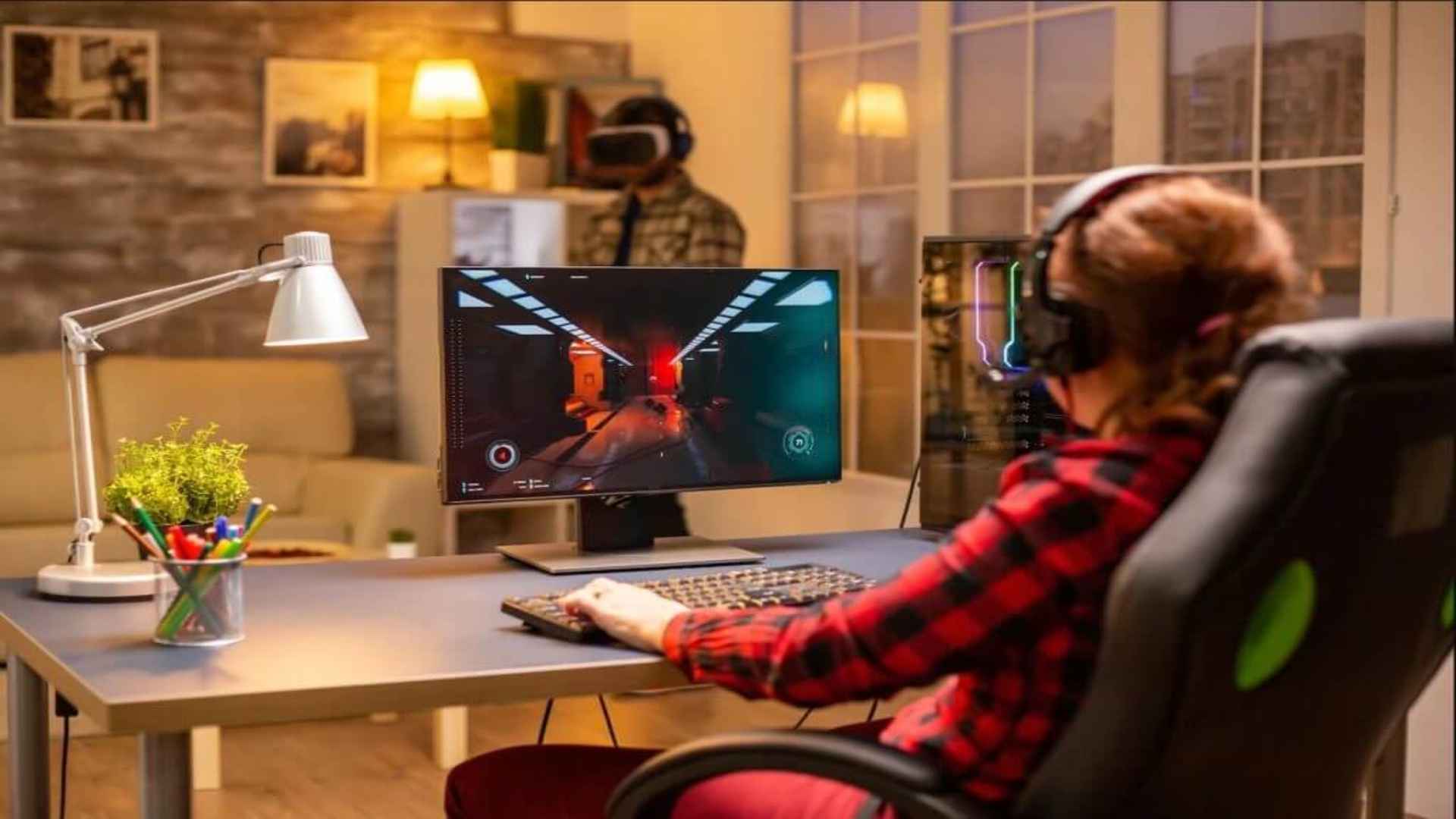
The landscape of traditional entertainment is undergoing a rapid evolution as classical mathematical puzzles transition into the modern digital ecosystem. Today, developers leverage technological advancements to transform simple grid constraints into deeply interactive environments that captivate modern global audiences. This transition ensures that conceptual logic challenges retain their cognitive appeal while adapting seamlessly to the dynamic demands of virtual entertainment spaces.
The Shift to Mobile Accessibility
The proliferation of powerful smartphones has democratized access to traditional logic systems, transitioning them from printed paper booklets into portable applications. Modern players value the immense flexibility of engaging with structural numeric challenges anywhere during brief daily commutes or routine breaks. Consequently, standard applications continue to outpace traditional console markets by catering directly to casual demographics who prioritize quick intellectual stimulation.
As specialized online platforms grow, they foster dedicated communities where participants safely share strategies and custom matrices. Interested users frequently gather on specialized websites such as M88 indonesia to explore collaborative puzzles and stay informed on competitive regional landscapes. This collaborative framework enhances sustained interaction, preventing traditional game styles from fading into mathematical obscurity.
Integration of Artificial Intelligence
Artificial intelligence serves as a major creative partner for modern puzzle engineering, replacing fixed scripts with highly dynamic structures. Generative algorithms can automatically analyze individual playstyles to dynamically balance difficult grid distributions and tailor personalized narrative scenarios. This advanced implementation ensures that the resulting digital challenges feel alive, offering distinct replay value that standard layouts cannot provide.
Furthermore, machine learning protocols assist developers by automating time-consuming tasks like cross-language localization and structural playtesting. Smaller independent software studios can efficiently deploy highly complex numerical systems without the crushing production budgets typical of mainstream historical blockbusters. The integration of adaptive technology guarantees that future logic games remain unpredictable and intellectually rewarding for every skill tier.
Immersive Environments and Extended Reality
Emerging concepts are steadily reshaping how global communities visualize numerical interactions by integrating augmented and virtual reality frameworks. Instead of merely viewing numbers on a flat mobile display, enthusiasts can manipulate spatial three-dimensional equations layered directly onto real-world environments. This physical engagement deepens conceptual immersion and transforms isolated academic math drills into cooperative exploration events.
Technological refinement in high-speed cloud synchronization allows these high-fidelity visual assets to load smoothly on low-power legacy hardware. By shifting heavy matrix rendering onto decentralized remote servers, platforms successfully remove historic access barriers for global participant populations. The intersection of absolute mathematical rules and immersive spatial mechanics represents the definitive path forward for future digital entertainment.